

Fashion
India revises raw jute stock limits to curb hoarding

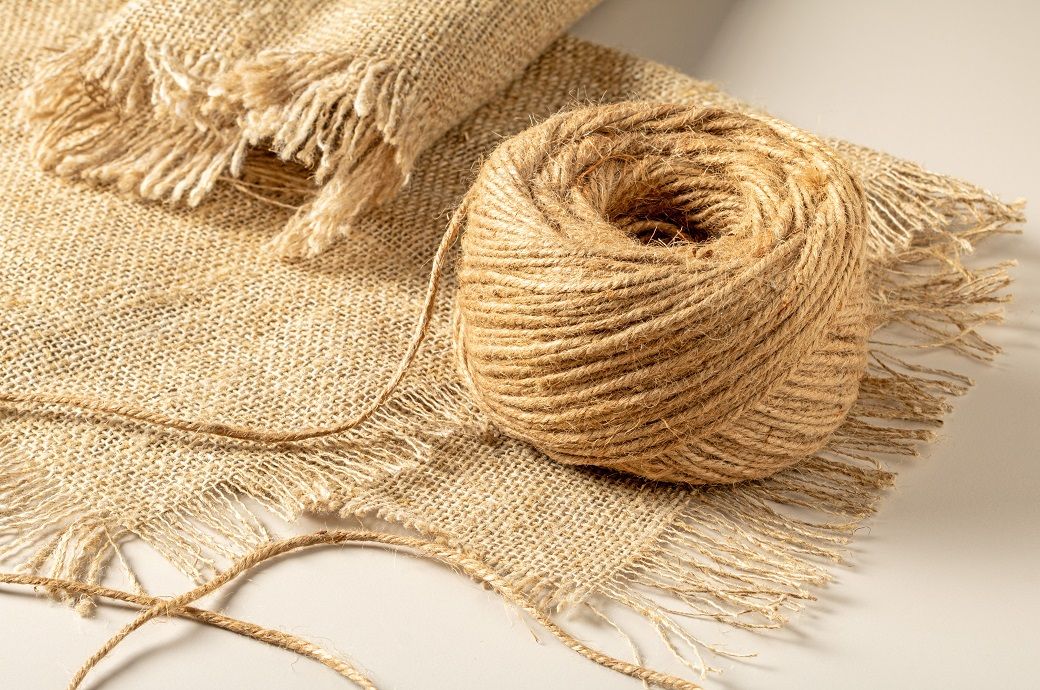
The move comes as raw jute prices have climbed well above the minimum support price for the 2025-26 season, triggering concerns among stakeholders over availability and market volatility, the Ministry of Textiles said in a press release.
India’s Jute Commissioner has revised raw jute stock limits under the Jute and Jute Textiles Control Order, 2016, amid prices rising well above MSP levels.
The move aims to curb hoarding, stabilise supply, and check speculation.
Entities must declare stocks fortnightly, reduce excess holdings within ten days, and face penalties under the Essential Commodities Act for violations.
Under the revised norms, raw jute balers with baling presses on their premises are permitted to hold a maximum of 1,200 quintals at any time. Other stockists, excluding balers, can hold up to 25 quintals, while unregistered raw jute traders are restricted to a maximum of 5 quintals. Jute mills and processing units are allowed to stock raw jute equivalent to a maximum of 45 days’ consumption, based on current production levels.
All entities engaged in stocking raw jute have been directed to declare and update their stock positions fortnightly on the Jute SMART portal. Those holding stocks beyond the prescribed limits must reduce excess quantities within ten days of the order, physically deliver the surplus to consignees, and submit compliance reports with supporting documents to the Jute Commissioner’s office no later than February 10, 2026.
The order also clarifies that where raw jute is stored at a single premise under the names of multiple traders, stockists, or balers, the total quantity at that location must remain within the applicable limits.
To ensure strict compliance, authorised officials have been empowered to inspect premises and records and seize excess stocks found in violation of the order. State governments have also been requested to assist in enforcement actions against entities involved in hoarding.
Any violation of stock declaration requirements or stock limits will invite punitive action under the Essential Commodities Act, 1955. Penalties, confiscation of stocks, and action against false statements will be taken under the relevant sections of the Act, added the release.
According to the government, unchecked price volatility and speculative increases pose a risk to the jute industry, potentially disrupting production and employment. The revised stock limits are aimed at stabilising raw jute supply, preventing market manipulation, and safeguarding the interests of farmers, manufacturers, and consumers across the country.
Fibre2Fashion News Desk (SG)











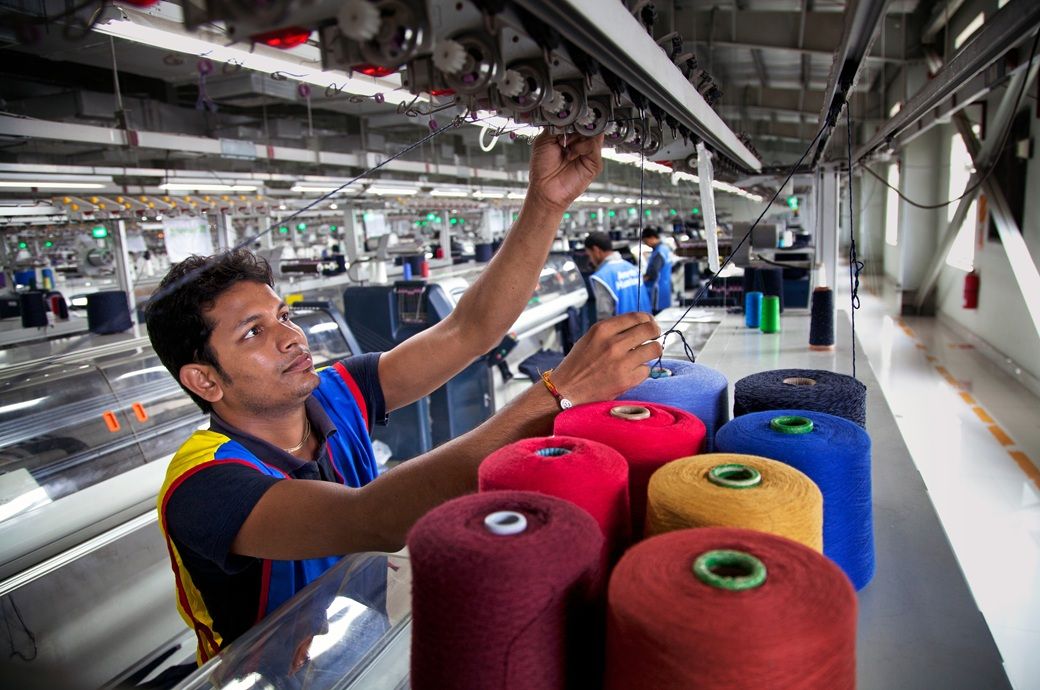
The sector has navigated shocks before, including price wars, factory compliance reforms, political instability and swings in global demand. What makes the current moment different is the simultaneity of pressures. Financial strain, weakening export momentum, rising competition and geopolitical disruptions are emerging at the same time, just as Bangladesh approaches a major transition in its global trade status.
According to export performance data from the Bangladesh Garment Manufacturers and Exporters Association (BGMEA), compiled from Export Promotion Bureau (EPB) statistics, Bangladesh’s ready-made garment (RMG) exports reached $**.** billion between July **** and January ****, accounting for about ** per cent of the country’s $**.** billion merchandise exports. The International Labour Organization estimates that the export-oriented garment sector employs around * million workers, highlighting the scale of an industry central to Bangladesh’s economy.

The latter’s Deputy Minister of Industry and Trade Nguyen Sinh Nhat Tan and director of the former’s State Secretariat for Economic Affairs Helene Budliger Artieda agreed that Vietnam and the EFTA will try to conclude talks by late June 2026 on the sidelines of the EFTA ministerial meeting in Iceland,.
Switzerland and Vietnam have agreed to accelerate negotiations on a free trade agreement between Vietnam and the European Free Trade Association (EFTA), aiming to conclude discussions during the 20th negotiation round in Hanoi.
Both sides are targeting finalisation by late June 2026 in Iceland, with the pact expected to drive investment, create jobs and facilitate technology transfer.
The proposed FTA will create new opportunities for Swiss enterprises to expand investment in Vietnam, helping generate jobs, foster technology transfer and support the country’s modernisation drive over the next five years, a domestic news agency reported.
The agreement is also expected to significantly strengthen trade and investment links between Vietnam and Switzerland, while enhancing regional supply chains and promoting sustainable growth.
Fibre2Fashion News Desk (DS)
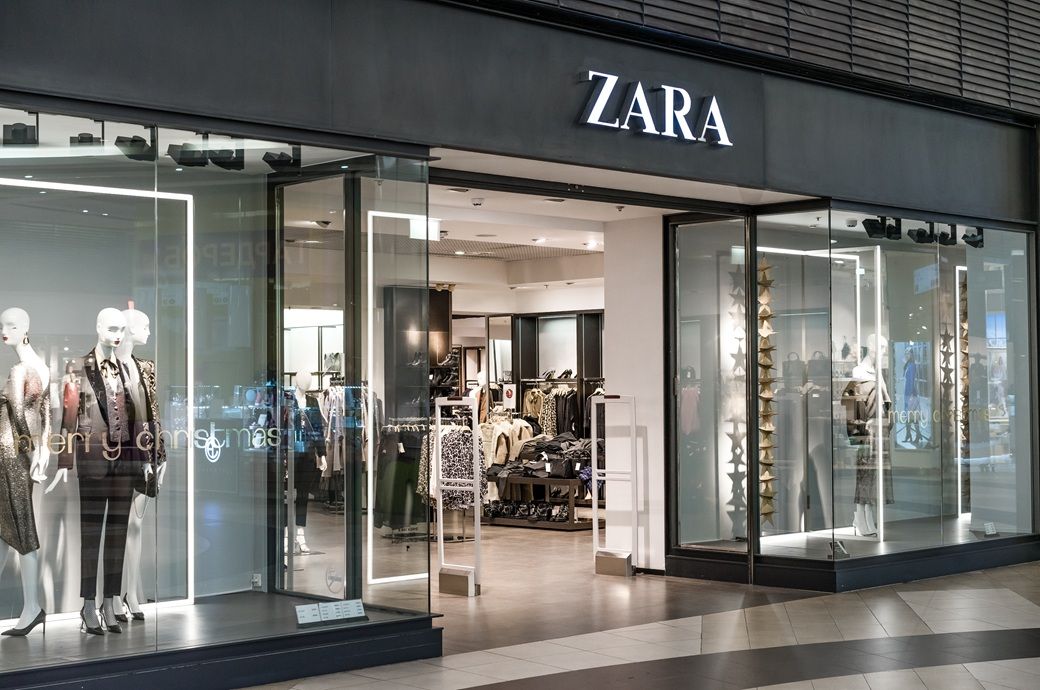
Profitability also improved during the year. Gross profit rose 3.9 per cent to €23.2 billion (~$26.91 billion), while the gross margin expanded to 58.3 per cent. Operating expenses increased 2.8 per cent, remaining below the pace of sales growth as the group maintained disciplined cost management.
Inditex has reported net sales of €39.9 billion (~$46.28 billion) in FY2025, up 3.2 per cent YoY, while sales rose 7 per cent at constant currency.
Gross profit reached €23.2 billion (~$26.91 billion) with a margin of 58.3 per cent, and net income grew 6 per cent to €6.2 billion (~$7.19 billion).
Online sales rose 4.8 per cent.
The group plans €2.3 billion (~$2.67 billion) capital expenditure in 2026.
The operating performance remained robust across key indicators. EBITDA increased 5 per cent to €11.3 billion, while EBIT rose 5.9 per cent to €8 billion. Profit before tax also reached €8 billion, up 5.8 per cent YoY, with the PBT margin standing at 20.1 per cent. Net income grew 6 per cent to €6.2 billion (~$7.19 billion), Inditex said in a press release.
Online business continued to expand, with digital sales rising 4.8 per cent to €10.7 billion. Inditex said the integration of stores and online platforms remains central to its omnichannel strategy, enabling seamless customer experiences worldwide.
The group’s store network also evolved during the year. Inditex opened stores in 41 markets and carried out 190 store openings, 217 refurbishments—including 96 enlargements—and 293 absorptions as part of its ongoing retail optimisation strategy. At the end of FY2025, the company operated 5,460 stores globally, while total selling space increased 5.3 per cent to 4.72 million square metres.
Zara, including Zara Home and Lefties, remained the group’s largest contributor with sales of €28.05 billion, followed by Bershka at €3.29 billion and Stradivarius at €3 billion. Europe excluding Spain accounted for the largest share of sales at 51.3 per cent, followed by the Americas with 17.8 per cent, Asia and the rest of the world at 15.0 per cent, and Spain at 15.9 per cent.
Inditex maintained a strong balance sheet during the year. Lease-adjusted funds from operations rose 7 per cent to €8.2 billion, while the group ended the fiscal year with a net cash position of €11 billion.
“These results reflect the ability of our teams to honour the trust that millions of customers place in our eight commercial formats every day. Connecting with them, understanding their desires and delivering the best product and a differentiated experience underpin our long-term growth expectations,” said Oscar Garcia Maceiras, CEO at Inditex.
The company’s board will propose a dividend of €1.75 per share for FY2025, comprising an ordinary dividend of €1.20 and a bonus dividend of €0.55. The dividend will be paid in two instalments of €0.875 per share in May and November 2026.
Looking ahead, Inditex plans to continue investing in its growth strategy. The group expects gross selling space to expand by around 5 per cent in 2026 alongside continued online growth. Ordinary capital expenditure is projected at approximately €2.3 billion (~$2.67 billion), primarily aimed at optimising store networks, enhancing technological integration and strengthening online platforms.
Early trading in 2026 has also been encouraging. Store and online sales in constant currency increased 9 per cent between February 1 and March 8 compared with the same period in 2025, supported by strong customer response to the Spring/Summer collections.
Fibre2Fashion News Desk (SG)


Bangladesh apparel faces its toughest stress test amid war disruption

Top MQM-P leader demands PM reinstate Kamran Tessori as Sindh governor

Switzerland, Vietnam push to conclude EFTA FTA talks by June 2026

Stock market crash today (March 12, 2026): Nifty50 opens below 23,600; BSE Sensex down over 900 points on continuing US-Iran war – The Times of India

Intertextile Shanghai 2026: Fringe events spotlight market trends

What time will NASA’s 600 kg satellite crash to Earth today— 14 years after launch?

-
Business6 days ago
Stock market crash today (March 12, 2026): Nifty50 opens below 23,600; BSE Sensex down over 900 points on continuing US-Iran war – The Times of India
-
 Fashion1 week ago
Intertextile Shanghai 2026: Fringe events spotlight market trends
-
 Entertainment1 week ago
What time will NASA’s 600 kg satellite crash to Earth today— 14 years after launch?
-

 Fashion1 week ago
German brand Adidas posts 13% revenue growth in 2025
-

 Fashion7 days ago
UK’s Topshop unveils Tolu Coker capsule collection
-

 Fashion7 days ago
India’s textile recycling market may reach $3.5 bn by 2030: Report
-

 Entertainment6 days ago
Gas, food, household prices explained
-

 Tech7 days ago
Meta Developed 4 New Chips to Power Its AI and Recommendation Systems