

Business
Jeep eyes U.S. comeback following yearslong sales troubles


2025 Jeep Cherokee SUV
Stellantis
AUBURN HILLS, Mich. — Jeep is betting Americans still love a good comeback story.
It’s a mantra that’s reverberating through the quintessential SUV brand — from its CEO to a marketing campaign with LL Cool J — following yearslong sales and market share declines that have taken a toll on Jeep and its parent company, Stellantis.
“This isn’t just a comeback. This is the Jeep brand reclaiming a segment we invented and defined,” Jeep CEO Bob Broderdorf said during a recent media event.
Jeep has been in a rut this decade, despite the brand’s well-known off-road capabilities that have carried it for most of the past century. It has experienced six consecutive years of U.S. sales declines amid a leadership carousel, dearth of new products and a failed premium pricing strategy to boost profits.
But now, the coveted SUV brand has realigned pricing across its lineup, scored its best quarterly sales gain in more than two years and is in the midst of its largest mainstream product blitz this decade.
“We’re going to grow, grow and grow,” Broderdorf told CNBC sitting in a redesigned 2026 Jeep Grand Wagoneer at the company’s design dome in suburban Detroit. “That’s the mission. And do it in a healthy way.”
Then-head of Jeep North America Bob Broderdorf speaks during the Stellantis press conference at the AutoMobility LA 2024 auto show at the Los Angeles Convention Center on November 21, 2024.
Etienne Laurent | AFP | Getty Images
The redesigned Grand Wagoneer is symbolic of the brand’s troubles and comeback attempt. It was Jeep’s foray into luxury — topping $111,000 fully loaded in 2021 — that was relatively overpriced and overcomplicated compared with its peers and experienced several production and quality issues.
The redesigned model lineup is less expensive, simpler and better positioned against other large American SUVs rather than foreign competitors such as Land Rover. Its production issues also have eased.
“We confused our buyers. We confused our dealers,” Broderdorf said at the media event. “I’m here to tell you we got the message. We’re fixing it.”
But some things take longer than others to fix in the automotive world. The brand’s sales remain significantly lower than expectations, and Jeep’s overall quality problems remain a work in progress after the realignment of its vehicles and pricing strategy.
“This is one of the areas that needs to improve. We have been improving, but proof is in the pudding,” Broderdorf told CNBC.
Among 32 major automotive brands, Jeep ranked last in Consumer Reports’ annual grading last year that includes a combination of road test scores, safety ratings, and predicted reliability and owner satisfaction data.
Most recently, the brand announced a recall of more than 320,000 plug-in hybrid Wrangler and Jeep Grand Cherokee models due to a risk of fire. The company filed a recall late last month with the National Highway Traffic Safety Administration, but no remedy has been released.
The company told CNBC a solution is expected in December involving a software update to the high-voltage battery pack control module of the vehicles to improve diagnostic capability for early detection of internal battery damage.
Jeep Recon
The recall comes at an inopportune time, as Jeep launches a Wrangler-inspired, all-electric SUV called the Recon. The vehicle will be revealed this week ahead of the Los Angeles Auto Show after first debuting as a concept vehicle in 2021.
The Recon was initially hailed as key to the Jeep brand’s future, with executives saying it would help the company become a leader in all-electric vehicle sales, including a prior plan for the brand to achieve 50% EV sales in the U.S. by 2030.
Electric Jeep Recon SUV.
Jeep
But expectations have diminished as Stellantis appointed a new CEO and demand for EVs slowed amid regulatory changes, including the end of up to $7,500 in federal incentives in September to purchase a plug-in electric vehicle.
Broderdorf said the end of federal incentives is expected to impact sales across the industry, including with the Recon, but the new SUV functions as an EV “bookend” alongside the sportier Wagoneer S for the Jeep brand’s electric portfolio.
“I’m not going to just chase volume just to chase volume,” he said during a recent media call. “I want to sell cars in the right way. Everybody who wants a [battery-electric vehicle], Recon, I want to make sure that we’re there for them. After that, it doesn’t really matter to me.”
The Recon is being produced at Stellantis’ Toluca Assembly Plant in Mexico alongside the Wagoneer S, Jeep Compass and the new Jeep Cherokee, which is being offered exclusively as a hybrid vehicle.
Broderdorf, who started leading the brand in February, said the plant can easily adjust to produce the higher-volume Compass and Cherokee depending on demand for EVs. Both gas-powered vehicles also are expected to be manufactured in the U.S. in the coming years for additional flexibility.
Several automakers reported major declines in their EV sales in October following the end of the federal incentives as well as the Trump administration eliminating fuel economy and emissions fines, which EVs helped offset.
Electric Jeep Recon SUV
Jeep
Jeep has released few details about the Recon other than it will be a “brother” to the Wrangler — Jeep’s iconic, off-road and open-air SUV. Jeep previously touted a smaller concept version of the vehicle achieving 0-60 mph in roughly two seconds.
The Recon is the last of four new vehicles Jeep is revealing in four months. It started with the crucial new Cherokee SUV, followed by updated versions of the Jeep Grand Cherokee and Grand Wagoneer.
Before the Jeep Wagoneer S last year and upcoming Recon, Jeep was focusing on electrified sales of plug-in hybrid electric versions of its Wrangler and Grand Cherokee rather than all-electric vehicles.
American comeback?
Part of Jeep’s “comeback” has included an aggressive push in new marketing and advertising campaigns that have included actor and musician LL Cool J and a raunchy ad campaign featuring comedian Iliza Shlesinger for the Jeep Grand Wagoneer.
The campaigns, led since June by Jeep’s new vice president of marketing and communications, Wendy Orthman, are consistent with Broderdorf’s comeback mantra, including featuring LL Cool J’s “Mama Said Knock You Out.”
“Don’t call it a comeback. I been here for years,” the iconic rapper and actor says in the song featured in the ad campaign, calling Jeep “the original influencer.”
The marketing and advertising efforts help, but the most important thing for the company remains new products, specifically the Jeep Cherokee that competes in the highly popular compact/midsize SUV markets, industry watchers said.
“They’re still trying to fix things, getting the pricing right, getting the product right,” said Stephanie Brinley, associate director in AutoIntelligence at S&P Global Mobility. “But there’s a lot of potential, especially with the Cherokee coming back. There’s a lot still coming on in the pipeline, and I think it’ll position them in a good space.”
The company axed a prior version of the Cherokee as well as a smaller SUV called the Renegade amid profit pressures under former CEO Carlos Tavares in 2023.
Jeep’s sales through the third quarter of this year were up less than 0.5% compared with a year earlier. Jeep’s U.S. market share has fallen from 5.4% in 2019 to 3.7% since 2024, according to Cox Automotive.
Jeep’s been dealing with a spiraling sales decline that started after the brand reached an all-time high of more than 973,000 SUVs sold in 2018. The brand’s sales have fallen 40% since then to less than 590,000 units last year in the U.S.
As sales plummeted, Jeep’s average transaction prices, or ATPs, were around $54,000 during 2023-24 — well above the industry average of roughly $48,500 or less during that time period, according to Cox Automotive.
Jeep’s ATPs through the third quarter of this year were less than $49,800, according to Cox. That remains a premium over the average industry of $48,588 but is far lower than prior years.
One thing that hasn’t been declining this year for Jeep is its inventory levels, according to Cox Automotive. Jeep had the highest days’ supply of any major brand other than Ford’s Lincoln at 146 days in October. The industry average for days’ supply, which calculates the amount of days of inventory dealerships have based on recent sales, was 88 days, Cox reports.
“Looking at mainstream brands, recent inventory trends reveal that some manufacturers may be edging toward overstocked territory as consumer demand shifts,” Erin Keating, Cox Automotive executive analyst, said in a blog post Thursday, citing Jeep specifically.
Jeep’s comeback plan started with Stellantis CEO Antonio Filosa, who previously led the brand. It has accelerated, with the Filosa’s support, under Broderdorf.
“It’s not like ’26 is going to be a 1-million-unit year because they’re fixing things. Once you kind of get off track, getting back on track can take a little bit of time as well, but it starts with product,” Brinley said. “And that’s what they have coming in 2026.”




Ridvan_celik | Istock | Getty Images
A version of this article first appeared in CNBC’s Inside Wealth newsletter with Robert Frank, a weekly guide to the high-net-worth investor and consumer. Sign up to receive future editions, straight to your inbox.
With donor-advised funds gaining popularity as a vehicle for the wealthy to give back, risks and potential conflicts of interests are emerging — and being put on display in a lawsuit over a family’s $21 million charitable fund.
Philip Peterson, a 63-year-old Kansas resident, filed suit in January alleging that the nonprofit that administers his family’s donor-advised fund has refused to communicate with him and has failed to make charitable grants that he has recommended since early 2024. The suit, filed in Colorado federal court, alleges the Christian nonprofit, called WaterStone, cut off his access to information about the account and that he doesn’t know how the fund has fared since the end of 2023, when it had $21 million in assets.
Counsel for WaterStone, founded as the Christian Community Foundation, said in a statement that the Colorado Springs nonprofit has respected the wishes of Peterson’s late father, who originally created the fund in 2005 and died in 2019.
The case sheds light on the growing uptake, and dangers, of donor-advised funds, or DAFs, which have quickly become one of the most dominant forces in philanthropy. Americans donated nearly $90 billion to DAFs in 2024, per the most recent annual report from the DAF Research Collaborative. According to the most recent data available, DAFs held $326 billion combined in assets in 2024.
For Americans looking to give back and save on taxes, DAFs are marketed as a flexible and simple way to do so, often described as charitable saving accounts or credit cards. Instead of writing a check to a nonprofit, donors contribute cash and other assets to a DAF. While the tax deduction is immediate, the funds can be allocated to charities later.
DAFs, unlike private foundations, are not required to distribute assets within a given timeframe, a common criticism among opponents who say DAFs are wealth hoarding vehicles.
The Peterson case offers a cautionary tale on the tradeoffs – especially when it comes to control. While donors are able to recommend how the funds are distributed to charity, the assets are legally controlled by the organizations that administer the DAF on their behalf. Though these organizations, also known as sponsors, typically respect their donors’ wishes, donors have little recourse if they do not.
“It’s sold to the public as, ‘This is your account, and you can decide where it goes, and you can move it, and you maintain full control.’ But if you don’t give up dominion and control, you don’t get the tax benefits,” said Ray Madoff, tax scholar and professor at Boston College Law School. “There’s a disconnect between the legal rules that govern it and the understanding of the parties. And this case is a perfect example of it.”
How much to give
Peterson told Inside Wealth that the rift with WaterStone started with a disagreement over how much to distribute.
In early 2024, Peterson alleges, WaterStone CEO Ken Harrison told him that the organization was going to keep the fund’s principal in perpetuity and only make grants from investment income. Peterson said he did not agree to the proposal as this would not allow the fund to make its customary annual grants of between $2.3 million and $2.5 million.
He further alleges that in March 2024, after he told Harrison over Zoom that he wanted to move the DAF to another sponsor, Harrison told him never to contact WaterStone again and abruptly ended the call.
Now Peterson is suing to assert his advisory privileges and regain access to the DAF, which was started by his late father, Gordon Peterson, a real estate investor and devout Christian, to support evangelical Christian causes. Peterson ultimately seeks the court to compel WaterStone to transfer the DAF to another organization so he can bring the fund’s giving back up to speed.
He said he requested WaterStone make a $1 million grant in 2024 but does not know if that grant – or if any grants – were issued that year. In 2025, WaterStone notified Peterson it would permit a $400,000 distribution from the fund, he said.
“I made a promise to my father. I promised him that if I was the remaining person on the account that I would direct the funds as I knew that he would 100% approve,” he said. “I want to be a man of my word.”
Philip Peterson, left, pictured with his father Gordon in 2015. Gordon Peterson passed away in 2019.
Courtesy of Philip Peterson
WaterStone declined to comment on specifics of Peterson’s allegations. The deadline for WaterStone to answer the complaint in court or move to dismiss it is mid-March.
“WaterStone has consistently carried out the articulated wishes of the donor since the donor advised fund in question was established,” WaterStone’s legal counsel said in a written statement, referring to Peterson’s father. “The plaintiff in this case is not the donor.”
Andrew Nussbaum, Peterson’s lawyer, said that WaterStone helped Gordon Peterson appoint his wife, Ruth, and son Philip as co-advisors to the DAF before he died. Ruth Peterson died in 2021, leaving Philip Peterson as the sole successor-advisor. Prior to 2024, WaterStone granted Philip Peterson’s grant requests, Nussbaum said.
Nussbaum said the lawsuit could set a chilling precedent if the court upholds WaterStone’s argument that designated successors do not have advisory privileges.
“If WaterStone is right, you’re talking about billions of dollars being beyond any kind of legal reach of the original donor-advisors or their successors to have any oversight related to the funds,” Nussbaum said.
Moreover, Peterson said he believes WaterStone has not honored his father’s wishes. He alleges that WaterStone has delayed or denied his grant recommendations even though they met the mission statement written by his father, which included a list of approved charities.
“I can tell you this: My dad would never have created a donor-advised fund if he knew that this was going to be the outcome. He felt very passionately about this,” he said.
DAF trade-offs
Law professor and DAF critic Roger Colinvaux said in his view, donors who want control of DAF assets are trying to have their cake and eat it too.
“Whether you like DAFs or not, the DAF sponsor is an independent charity. It’s an independent entity, and its duties are not to the donor,” said Colinvaux, professor at the Columbus School of Law at the Catholic University of America. “If the plaintiff wanted the sort of control that the plaintiff seems to want, as evidenced in the complaint, there’s a structure for that, and that’s a private foundation.”
Dana Brakman Reiser, professor at Brooklyn Law School, cautioned that Peterson’s story is a rare scenario. She said the biggest DAF sponsors like Fidelity Charitable and Schwab Charitable (now DAFgiving360) are affiliated with financial institutions and generally inclined to keep donors happy.
“It’s in their interest as long as honoring the donor’s request is not going to get the sponsor in trouble,” she said. Brakman Reiser added that the IRS prohibits using DAF assets to buy gala tickets or pay college tuition.
Still, the interests of sponsors and donor-advisors are rarely perfectly aligned.
Sponsors typically collect fees for managing DAF assets, creating an inherent financial incentive to disburse fewer assets, according to Chuck Collins, the director of the Program on Inequality and the Common Good at the Institute for Policy Studies, a progressive think tank. While community foundations pioneered the DAF model, they are now competing with larger commercially-affiliated sponsors for donors’ dollars, he added.
“More and more, they are having to compete with the commercial DAFs like Fidelity that have very low overhead and don’t take much in the way of fees. And so what’s the business model for a community foundation where, you know, 80% of the donations coming in are from people wanting to create DAFs?” he said. “In reality, their business model now depends on people parking their assets for longer periods of time.”
While Peterson’s case is unusual, it’s not the first legal challenge surrounding DAFs.
In 2018, a hedge fund couple sued Fidelity Charitable, contending the sponsor broke an agreement to liquidate their donated shares gradually and instead sold off 1.93 million shares, a position originally worth $100 million, in a matter of hours. Fidelity Charitable argued that it had followed the law and the case was ruled in their favor.
In another noteworthy debacle, in 2009, a Virginia-based charity called the National Heritage Foundation wiped out 9,000 DAFs worth $25 million combined to pay out creditors after it filed for bankruptcy.
Giving directly to charity doesn’t necessarily guarantee the assets will be used to the donor’s intent. But adding an intermediary into the equation adds another layer of complexity.
The handful of lawsuits filed by donor-advisors over how DAF assets are spent or invested have thus far been largely unsuccessful in court.
In short, according to Colinvaux, courts have upheld that donors have ceded any control in order to qualify for the tax break. If donors had the right to control assets — as opposed to the privilege to advise — they would not be able to claim a deduction, he said.
Nussbaum said Peterson’s case is different as it focuses on his rights to advise grants rather than control over how the assets are investments.
Peterson said he tried to resolve the dispute with Waterstone for about two years before going to court. While he knows his suit faces considerable odds, he said he felt he had no choice.
“People put an enormous amount of trust in these companies, and we’re hopefully going to find out what these companies can and can’t do,” he said. “It may have a big effect on the industry, and I don’t want to be that guy. All I want to do is to be able to continue my father’s legacy.”
Correction: This story has been updated to correct the IRS limitations on use of DAF assets.
Business
The NBA doesn’t just want to build a European basketball league — it wants to revolutionize the international pro game
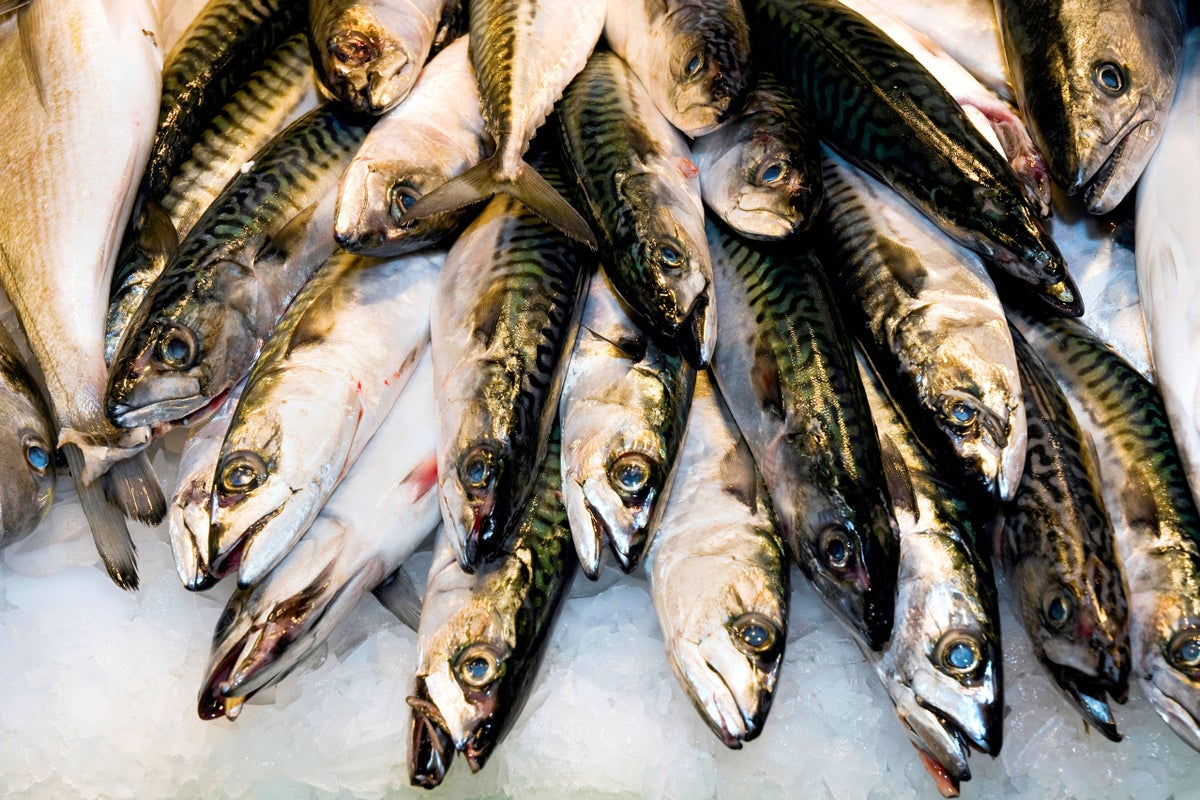
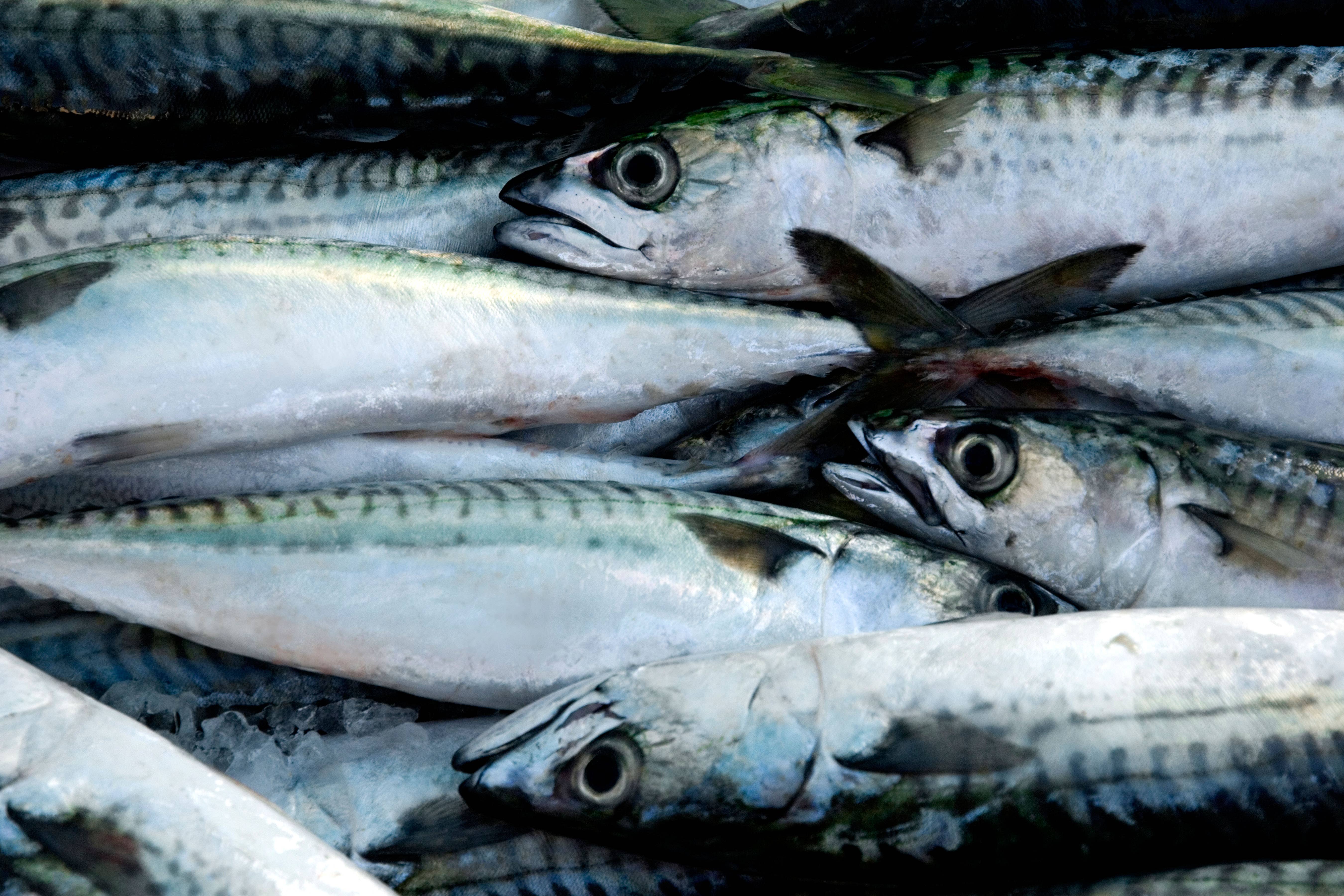
Waitrose is set to remove mackerel from its shelves amid escalating concerns over unsustainable fishing practices.
The retailer said that it is the first major UK supermarket to suspend sourcing of the popular fish.
It said that fresh, chilled, and frozen mackerel, primarily sourced from Scottish waters, will be unavailable to shoppers by 29 April. Tinned varieties will follow once the current stock is depleted.
Conservationists are welcoming the move and urging other supermarkets to follow suit.
The measure comes as governments have repeatedly failed to implement catch limits recommended by scientists, jeopardising the long-term viability of mackerel stocks.
The International Council for Exploration of the Sea (ICES) has issued stark warnings, advising a 70 per cent reduction in catches for 2026 across all regional mackerel stocks compared to 2025’s recommended levels.
With the stock consistently fished above sustainable thresholds, this translates to a 77 per cent cut on the 755,143 tonnes scientists estimated would be caught in 2025.
Overfishing has resulted in depleting mackerel stocks in the north-east Atlantic, with Ices saying the species, and the wider fishing industry, could face long-term risks unless countries stick to recommended catch limits.
Waitrose said the decision in December by four of the coastal states which fish mackerel to cut catches by 48 per cent was a step forward, but did not meet Ices advice.
North-east Atlantic mackerel will no longer meet the supermarket’s responsible sourcing requirements in line with the Sustainable Seafood Coalition codes of conduct, the retailer said.
Jake Pickering, head of agriculture, aquaculture and fisheries at Waitrose, said: “By suspending sourcing of mackerel at Waitrose we are reinforcing our ethical and sustainable business commitments, acting to tackle overfishing and protect the long-term health of our oceans and this crucial fish.
“Our customers trust us to source responsibly, and we are closely monitoring the fishery.
“We look forward to bringing mackerel back to our shelves once it meets our high sourcing standards.”
As alternatives, Waitrose is launching a new range of fish products including hot smoked herring, hot smoked peppered herring and hot smoked sweetcure seabass, all of which are Marine Stewardship Council (MSC) certified.
The retailer said it would also introduce MSC-certified frozen sardines from May as a sustainable replacement for frozen mackerel, and plans to become the first retailer to sell 100 per cent MSC tinned sardines.
Waitrose said it would maintain its relationship with its mackerel suppliers and its new supply of herring, seabass, sardines and trout will be sourced through current supplier partnerships.
But there is currently no predetermined time-frame as to when Waitrose will start sourcing mackerel again.
Marija Rompani, director of ethics and sustainability at the John Lewis Partnership, said: “We believe sustainable food production must balance climate action, nature protection and responsible fish sourcing is fundamental to protecting our oceans.
“We will continue to work closely with suppliers and industry partners to support the recovery and responsible management of fish stocks.”
Charles Clover, co-founder of conservation charity Blue Marine Foundation, said mackerel – one of the largest remaining commercial fish stocks in the north-east Atlantic – had declined 75 per cent in the last 10 years because fishing nations, including the UK, had overfished it.
“They have put too little effort into the task of reaching agreement on a sharing arrangement – and some countries have been awarding themselves more quota than is justified by science,” he said.
“This crisis has been ignored for too long.
“We hope that this action by Waitrose sends it to the top of the political agenda. We call on other retailers to follow Waitrose’s example.”


This AI Agent Is Designed to Not Go Rogue

What’s going on with Premier League’s 115 charges against Man City?

Policy easing drives Argentina’s garment import surge in 2025

-

 Tech7 days ago
A $10K Bounty Awaits Anyone Who Can Hack Ring Cameras to Stop Sharing Data With Amazon
-

 Fashion6 days ago
ICE cotton ticks higher on crude oil rally
-
 Business6 days ago
US Top Court Blocks Trump’s Tariff Orders: Does It Mean Zero Duties For Indian Goods?
-
 Business5 days ago
Eye-popping rise in one year: Betting on just gold and silver for long-term wealth creation? Think again! – The Times of India
-
 Sports6 days ago
Brett Favre blasts NFL for no longer appealing to ‘true’ fans: ‘There’s been a slight shift’
-

 Entertainment6 days ago
The White Lotus” creator Mike White reflects on his time on “Survivor
-

 Sports5 days ago
Kansas’ Darryn Peterson misses most of 2nd half with cramping
-

 Tech1 week ago
Donald Trump Jr.’s Private DC Club Has Mysterious Ties to an Ex-Cop With a Controversial Past