

Business
Nepra scraps fees, restores licence exemption for small solar users | The Express Tribune

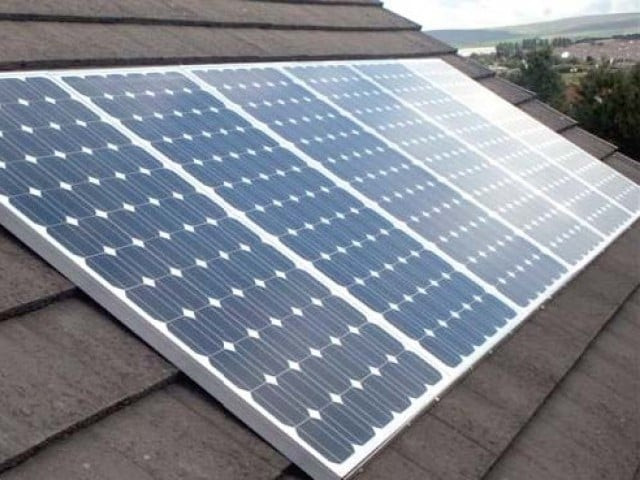
Move follows Power Division’s request to review rules after concerns over impact on consumers
The National Electric Power Regulatory Authority (Nepra) on Tuesday scrapped fees and restored a licensing exemption for solar consumers with systems under 25 kilowatts (kW).
According to a notification issued today, under the revised framework, no fee or licence will be required for solar consumers with systems below 25kW.
However, users installing systems above this threshold will be subject to a one-time fee of Rs1,000 per kW. The notification stated that the decision would apply retrospectively from February 9 of this year.
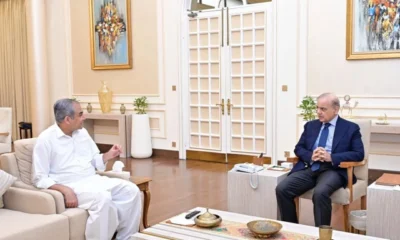
The move comes after the Power Division formally approached Nepra on Sunday, seeking a review of its regulations and calling for the removal of fees and licensing requirements for small-scale solar consumers. The request followed a directive from Energy Minister Awais Leghari.
Read: Power Division urges Nepra to scrap fee for solar users below 25kW
The Power Division noted that it had earlier flagged the adverse impact of the new rules and urged the regulator to align them with the previous framework.
Leghari said the government was “pro-solar, pro-consumer, and committed to clean energy,” adding that efforts were underway to remove unnecessary barriers, reduce costs, and provide maximum relief to the public.
Under the 2015 regulations, solar systems with a capacity of 25kW or less did not require a Nepra licence. Applications in this category were processed directly by distribution companies without any fee, offering a significant financial incentive for domestic consumers.
However, the subsequent “prosumer regulations” centralised approval authority with Nepra, even for small-scale installations, and introduced application fees.
The proposed regulations drew criticism from consumers and industry stakeholders, with the Private Power and Infrastructure Board also warning against the regulatory shift.






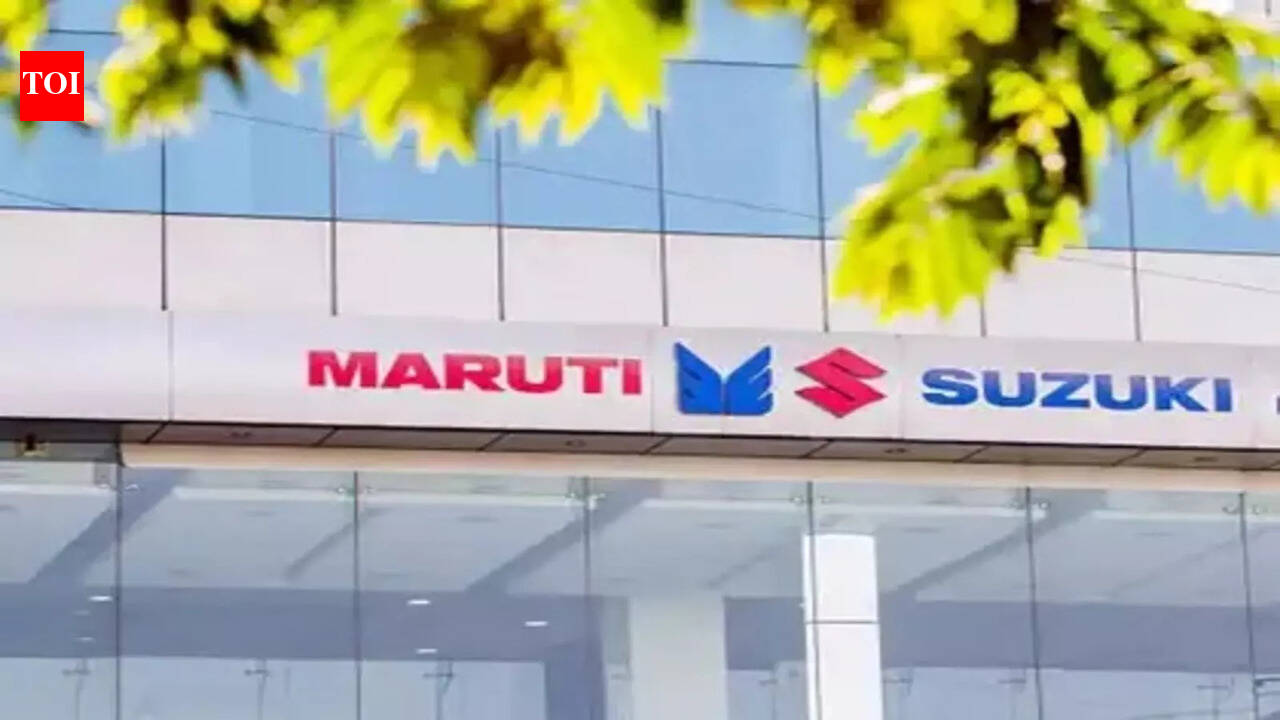
New Delhi: Maruti Suzuki had a record year in 2025-26 in terms of revenue and sales, but rising costs took a bite out of profits. The automaker posted consolidated revenue of over Rs 1.8 lakh crore, up 19.9% from the previous year, with total sales of 24.2 lakh vehicles. Net profit, however, barely moved – rising 1.2% to Rs 14,680 crore – as higher material, employee and depreciation costs ate into margins.The March quarter told a similar story: Revenue jumped 28.6% to Rs 52,462 crore, but net profit slipped 6.4% to Rs 3,659 crore.R C Bhargava, chairman, Maruti Suzuki India, said the auto industry is back in a growth phase, helped by stronger consumer demand and govt support, including lower taxes on small cars. He said Maruti expects to roll out about 2.5 lakh more vehicles this year as supply bottlenecks ease and new capacity comes online. The bigger constraint right now, he said, is not whether people want to buy cars but how many the company can actually make. Maruti is adding new production lines that will bring roughly 5 lakh additional units of annual capacity this year.
Several warning lights are flashing that have some wondering whether we are in the foothills of another financial crisis.
Source link

The Middle East energy shock could wipe around £35 billion from the UK economy over the next two years in a “best-case” scenario, an economic think tank has warned.
The National Institute of Economic and Social Research (Niesr) said that a more protracted crisis in the Middle East could see the UK enter a recession in the second half this year.
The group’s latest quarterly economic projections pointed to an increasingly gloomy outlook as the war between US-Israeli and Iranian forces weighs on economies globally, with the UK set for slower growth and rising inflation.
It indicated that the Bank of England’s committee rate-setters are likely to increase interest rates this summer as a result, with the potential for up to six more hikes in a more severe scenario.
On Thursday, the Bank’s Monetary Policy Committee will vote on whether to keep interest rates at their current level of 3.75%.
Niesr said it expects interest rates to be held at this meeting, but predicted they will be increased to 4% in July – staying at this level through the rest of the year.
However, it said a severe scenario, which would see further inflationary pressure from a continuing conflict, could result in rates rising as high as 5.25%.
In its best-case scenario which would include a resolution in the Middle East this year, the organisation still pointed towards a slowdown in economic growth to 0.9% for 2026, compared with 1.4% growth in 2025.
The group said growth is likely to improve marginally to 1% in 2027.
In its previous outlook, Niesr had predicted 1.4% growth this year and 1.3% growth in 2027.
Even with a swift resolution to the conflict, Niesr said the UK economy will be around £35 billion smaller in 2026 and 2027, casting uncertainty over the Chancellor’s ambitions to grow the UK economy.
However, Niesr’s deputy director for macroeconomics Stephen Millard said an adverse situation is likely to knock around 0.4 percentage points off growth over the next two years.
The forecasts also indicated that inflation, which lifted to 3.3% last month, will slow to 2.5%.
But it is then expected to shoot higher as higher energy prices drive further inflation, with it expected to peak at 4.1% in January next year.
Niesr said it expects inflation will not drop back to the Bank of England’s 2% target rate until 2028 as a result.
Inflation is set to surpass wage growth, which is predicted to slow to 3.3% next year, putting pressure of household finances.
Growth in real personal disposable income is forecast to slow to 1% in 2026 and 0.6% in 2027, with low-income households who spend a higher proportion of their income on energy being hit the hardest.
David Aikman, Niesr director, said: “This is a serious blow to the Government’s mission to get the UK economy growing again.
“The Middle East conflict has laid bare the fact that the UK remains highly exposed to global energy shocks.
“Even if hostilities ease rapidly, higher energy prices will leave households poorer, businesses facing higher costs, and the economy materially smaller than we expected only a few months ago.”


Egypt’s SCZONE signs $16.5-mn pact with Turkish firm for RMG project

Antonio Banderas meets up with ‘lifelong friend’, ex Melanie Griffith

Trump approval rating falls to lowest of term amid cost-of-living, Iran war worries: poll

-

 Politics1 week ago
UK’s Starmer seeks to deflect blame over Mandelson appointment
-

 Fashion1 week ago
UK’s Sosandar returns to profitability amid robust FY26 performance
-
 Business1 week ago
How Trump’s psychedelics executive order could unlock stalled cannabis reform
-

 Entertainment1 week ago
Lee Anderson, Zarah Sultana kicked out of UK Parliament for calling PM ‘liar’
-
 Business1 week ago
Us-India Trade Talks: US–India trade deal: Where do talks stand & what to expect – explained – The Times of India
-

 Fashion1 week ago
India, US to resume BTA talks today
-

 Tech1 week ago
A Humanoid Robot Set a Half-Marathon Record in China
-
 Business7 days ago
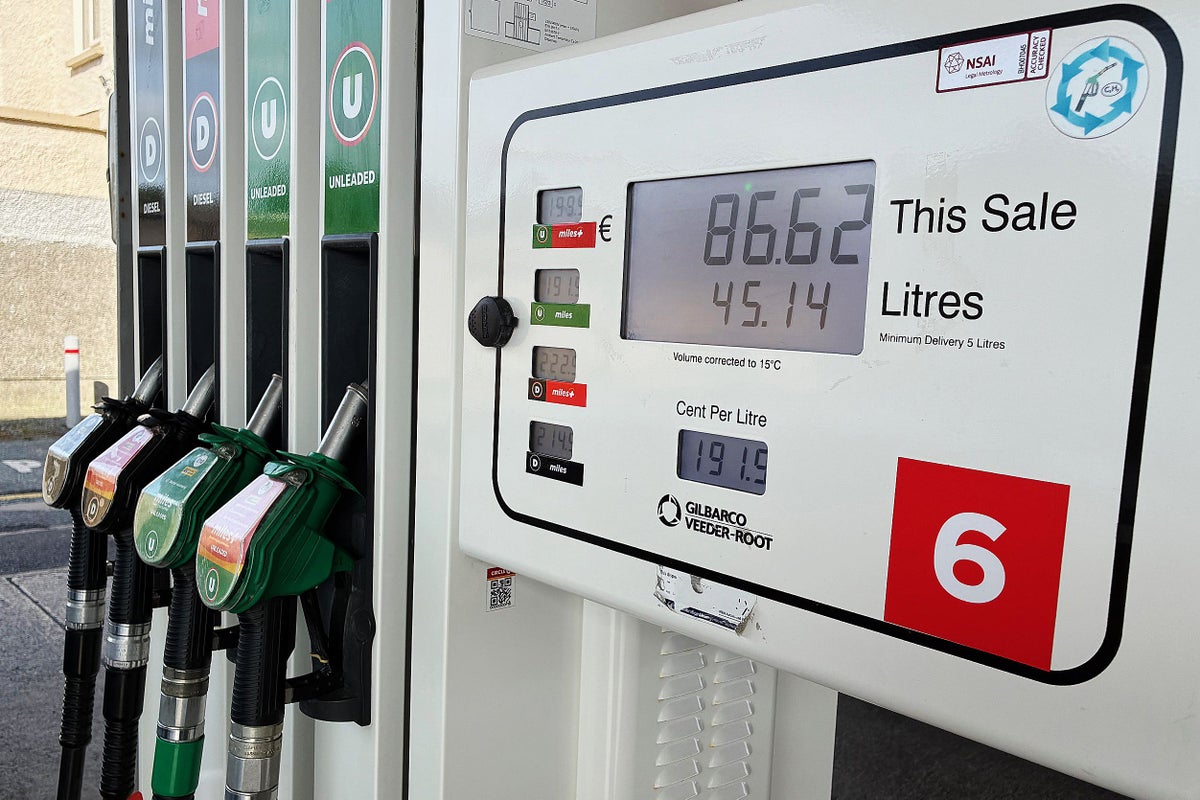
UK inflation accelerates after Iran war drives sharp rise in fuel prices