

Fashion
European Commission announces 19th package of sanctions against Russia

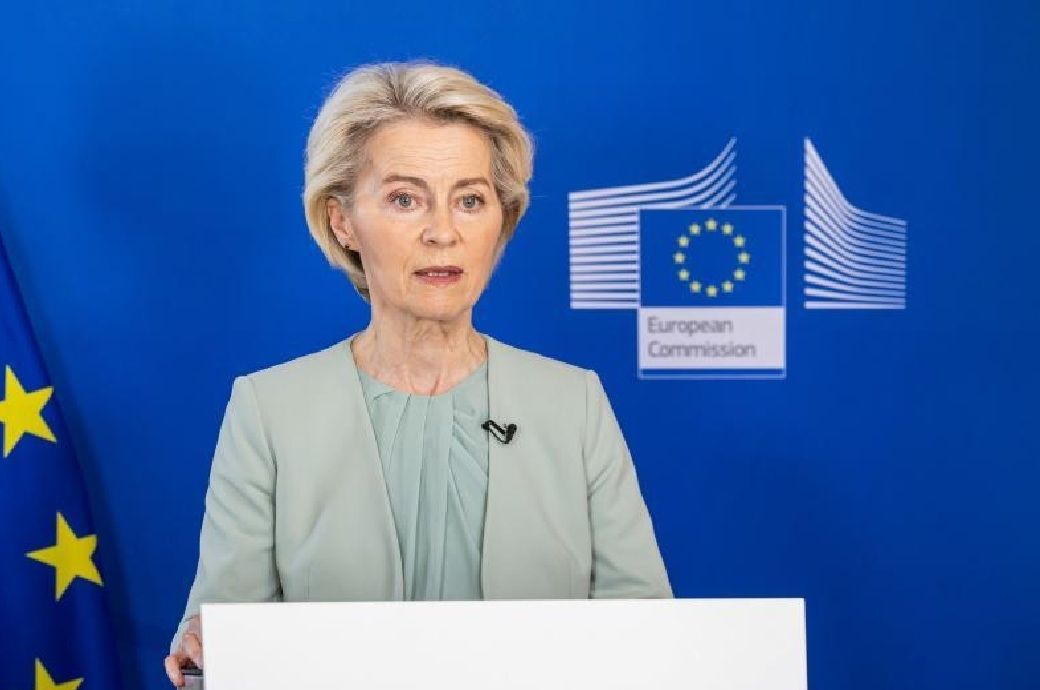
“We are aligning our sanctions with our G7 partners, under the steer of the Canadian presidency,” von der Leyen said in an official statement announcing the sanctions.
The European Commission has announced the EU’s 19th package of sanctions against Russia.
These are sanctions on the energy front, targeting the financial loopholes that Russia uses to evade sanctions and new direct export restrictions for battlefield items and technologies.
The Commission is also working on a new solution to finance Ukraine’s defence efforts based on the immobilised Russian assets.
The Commission is banning imports of Russian LNG into European markets. “We have been saving energy, diversifying supplies and investing in low-carbon sources of energy like never before….Then, we have just lowered the crude oil price cap to $47.6. To strengthen enforcement, we are now sanctioning 118 additional vessels from the shadow fleet. In total, more than 560 vessels are now listed under EU sanctions,” she said.
Major energy trading companies Rosneft and Gazpromneft will now be on a full transaction ban. And other companies will also come under asset freeze.
“We are now going after those who fuel Russia’s war by purchasing oil in breach of the sanctions. We target refineries, oil traders, petrochemical companies in third countries, including China. In three years, Russia’s oil revenues in Europe have gone down by 90 per cent. We are now turning that page for good,” she said.
The Commission is putting a transaction ban on additional banks in Russia and on banks in third countries.
“We are stepping up our crackdown on circumvention. As evasion tactics grow more sophisticated, our sanctions will adapt to stay ahead. Therefore, for the first time, our restrictive measures will hit crypto platforms, and prohibit transactions in crypto currencies. We are listing foreign banks connected to Russian alternative payment service systems. And we are restricting transactions with entities in special economic zones,” she said.
The Commission is adding new direct export restrictions for items and technologies used on the battlefield. It has listed 45 companies in Russia and third countries that have been providing direct or indirect support to the Russian military industrial complex.
“We know that our sanctions are an effective tool of economic pressure. And we will keep using them until Russia comes to the negotiation table with Ukraine for a just and lasting peace,” she reiterated.
In parallel, the Commission is also working on a new solution to finance Ukraine’s defence efforts based on the immobilised Russian assets. With the cash balances associated to these Russian assets, Ukraine can be provided with a reparations loan, she noted.
“The assets themselves will not be touched. And the risk will have to be carried collectively. Ukraine will only pay back the loan once Russia pays reparations. We will come forward with a proposal soon,” she added.
Fibre2Fashion News Desk (DS)










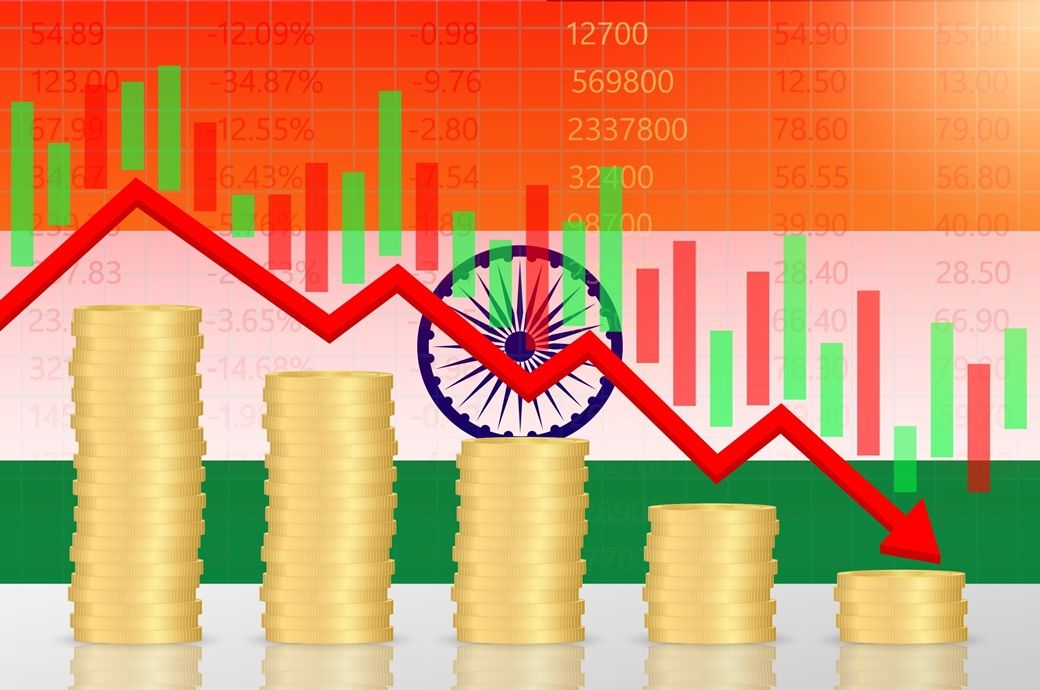
While trends in high frequency indicators for January-February 2026 appear favourable, the heightened uncertainty around the duration of the Middle East conflict casts a shadow on the near-term macroeconomic outlook for India amid high import dependency for items like crude oil, natural gas and fertilisers, it noted.
India’s FY27 GDP growth is likely to slow to 6.5 per cent from the projected 7.5 per cent in FY26 owing to the impact of higher energy prices and concerns around energy availability, ICRA Ratings said.
The heightened uncertainty around the duration of the Iran war casts a shadow on the near-term macroeconomic outlook for India.
If the conflict lasts longer, the adverse effects could widen across sectors.
If the conflict lasts for an extended period, the adverse implications of the same could widen across sectors, amid an uptick in input costs and the consequent impact on profitability of the India corporate sector.
Amid the projected uptrend in the consumer price index-based inflation in FY27 with risks tilted to the upside, ICRA Ratings expects an extended pause on the policy rates by the central bank’s monetary policy committee in the fiscal despite the anticipated softening in the GDP growth. However, it expects the Reserve Bank of India to continue to intervene on the liquidity front during FY27.
The available data for January–February FY2026 indicate a positive trend across most non-agricultural indicators, with the year-on-year performance of 12 out of 18 indicators improving compared to the third quarter of FY26, while the remaining six deteriorated.
Fibre2Fashion News Desk (DS)
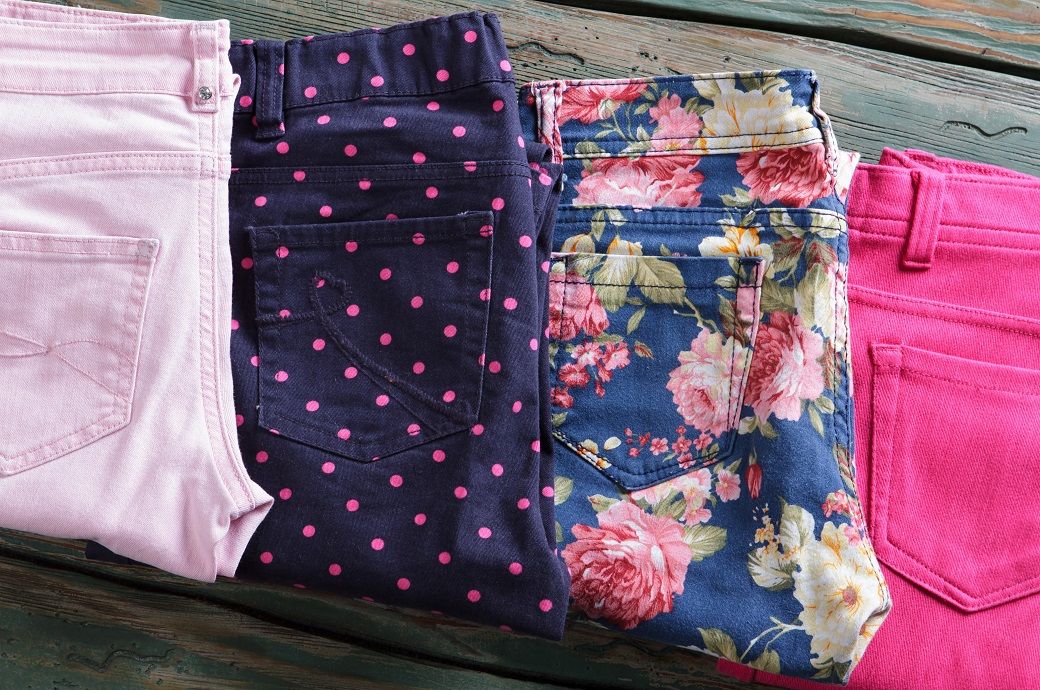
Indonesia’s apparel exports rose modestly to $8.705 billion in 2025 from $8.316 billion in 2024, reflecting gradual recovery.
The US remained dominant, accounting for over 56 per cent of shipments, highlighting growing market dependence.
While Japan, South Korea and Europe offered stability, exports stayed concentrated in key products and segments.
Source link
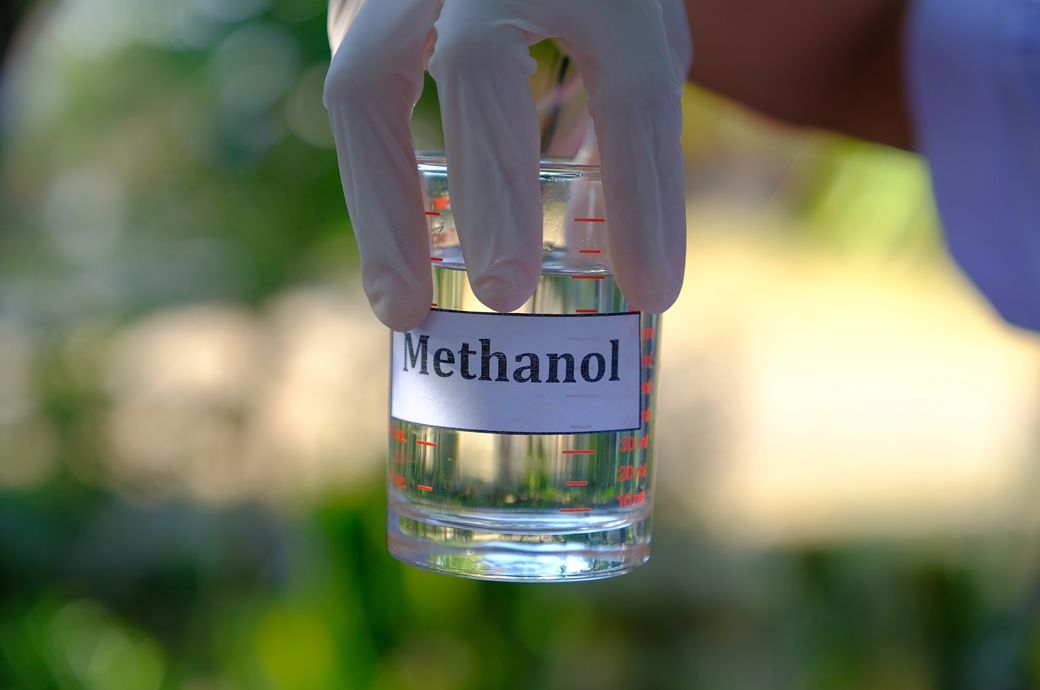
Methanol prices in India have surged nearly 150 per cent from pre-Iran–US tension levels, tracking a sharp rise in crude oil and tightening global energy markets.
Hormuz disruption risks, limited rerouting capacity, rising freight and insurance costs, and constrained imports are fuelling volatility, with prices seen approaching ₹90 per kg.
Source link


Nike shares fall 9% on weak outlook, expected 20% sales decline in China

Prince Harry surprises crowd by calling attendees his source of hope

Wrigley Field to host Big Ten/SEC volleyball doubleheader

-

 Politics1 week ago
Afghanistan announces release of detained US citizen
-

 Sports1 week ago
Broadcast industry CEO says consolidation is ‘essential’ to compete for NFL soaring media rights prices
-

 Entertainment1 week ago
UN warns migratory freshwater fish numbers are spiralling
-

 Tech1 week ago
Can a Home Appliance Fix the Problem of Soft-Plastic Waste?
-
 Business1 week ago
Property Play: Home flippers see smallest profits since the Great Recession, real estate data firm says
-
 Business1 week ago
Gold prices soar in Pakistan – SUCH TV
-

 Fashion1 week ago
ICE cotton slips on weaker crude, profit booking
-
 Business1 week ago
More women are entering wealth management, but few are in advisory roles, study finds